

The Caspian–Black Sea–Europe Green Energy Corridor has entered its first serious investor-facing phase.
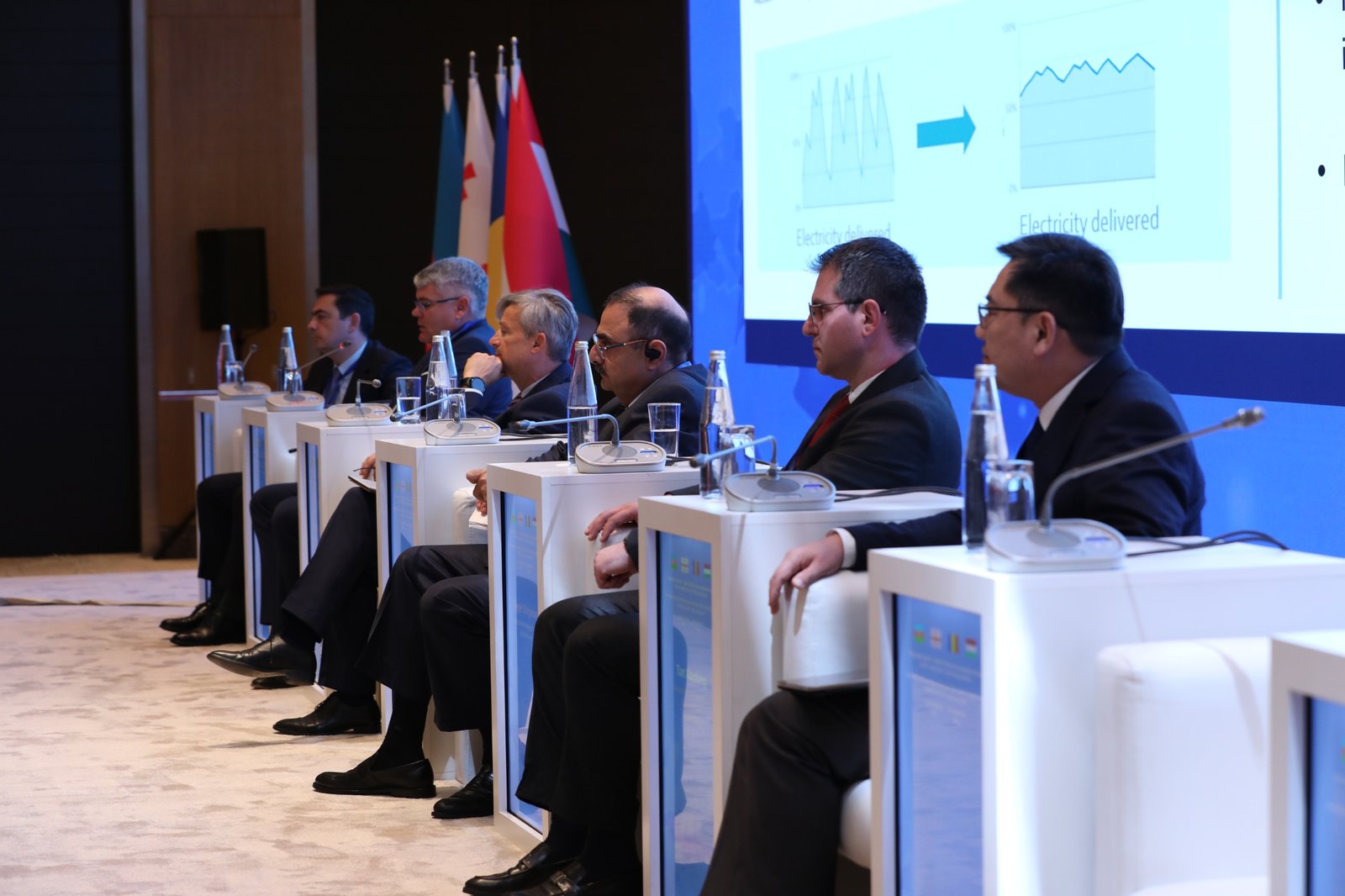
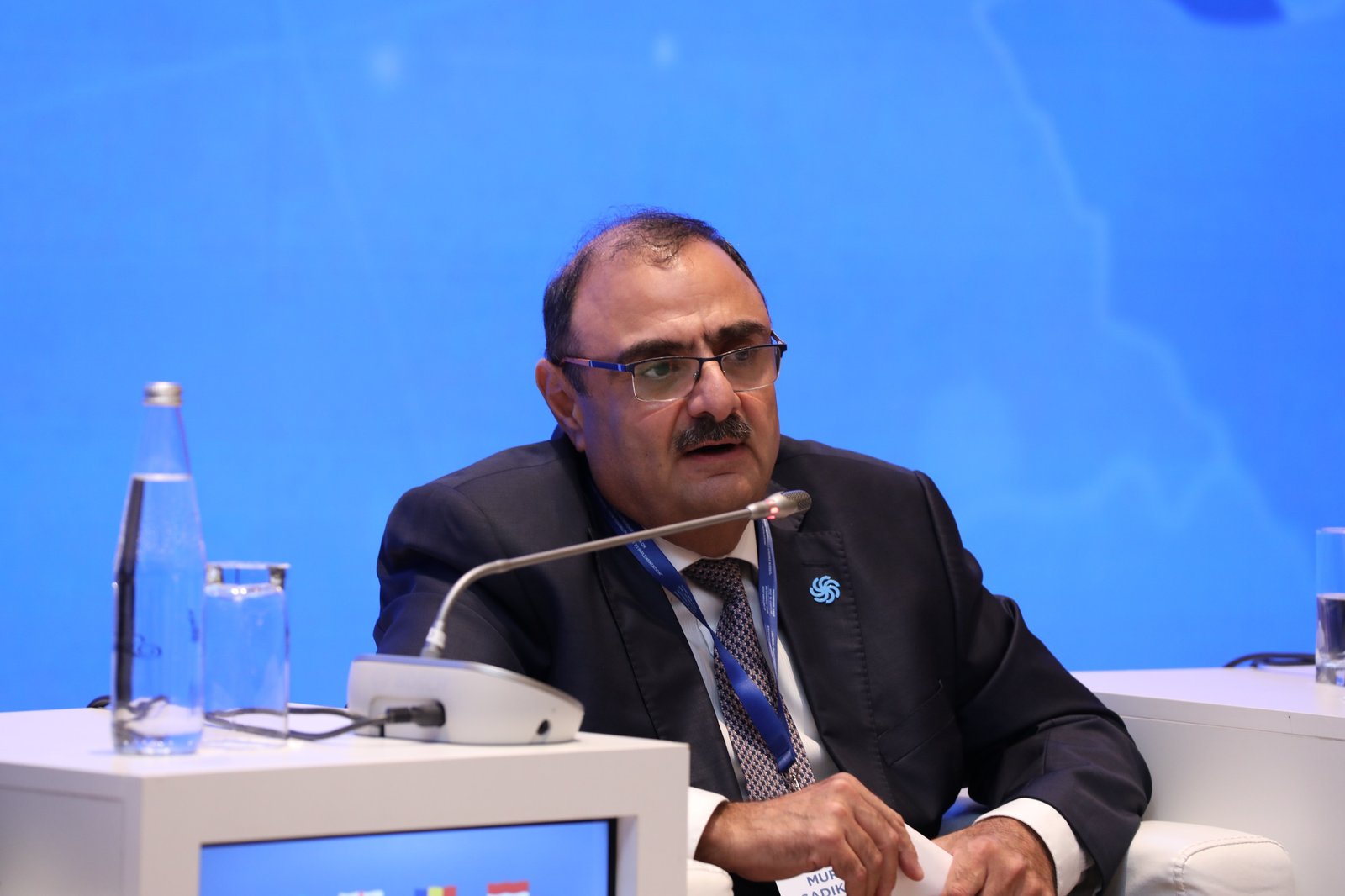
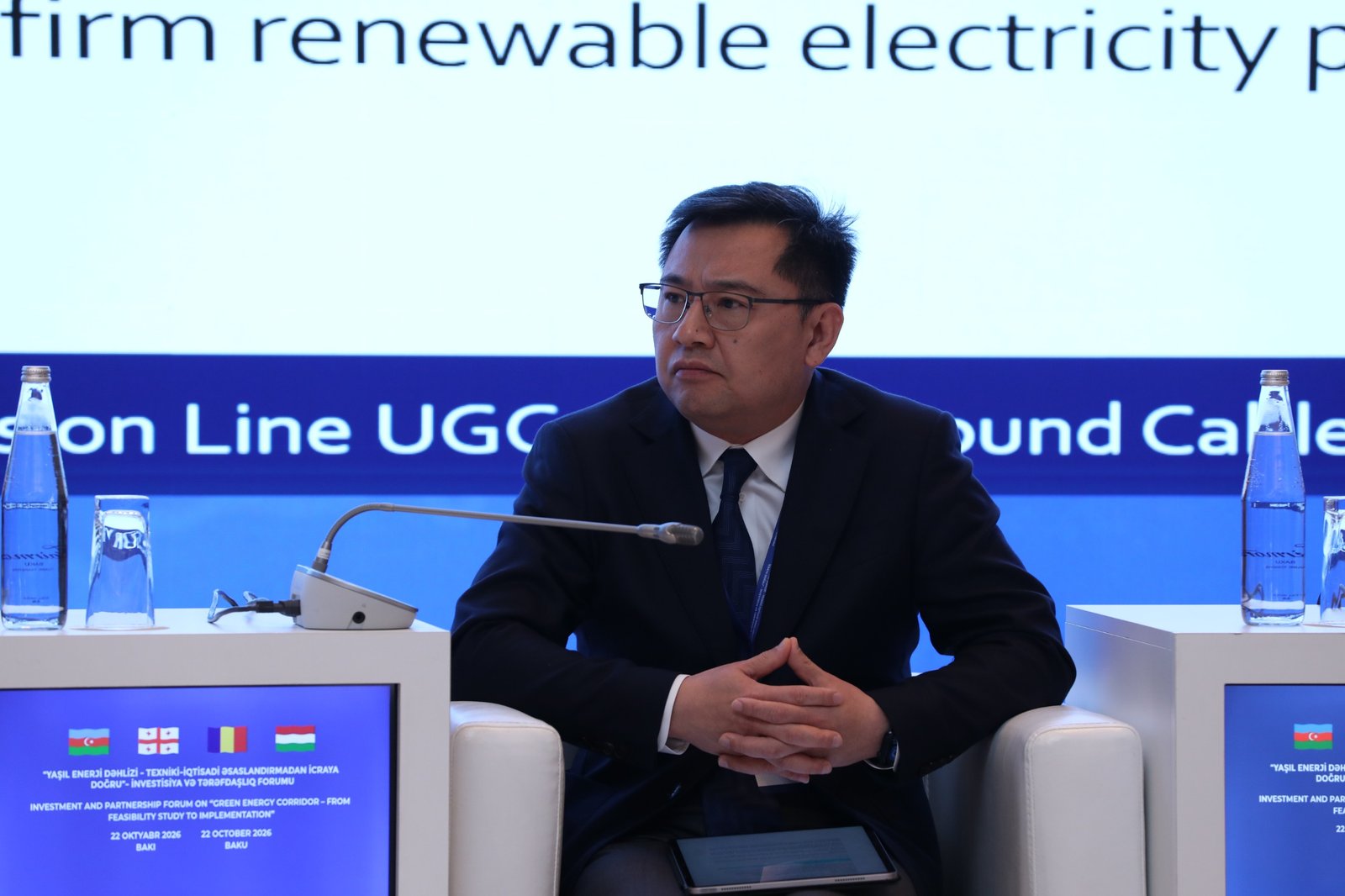
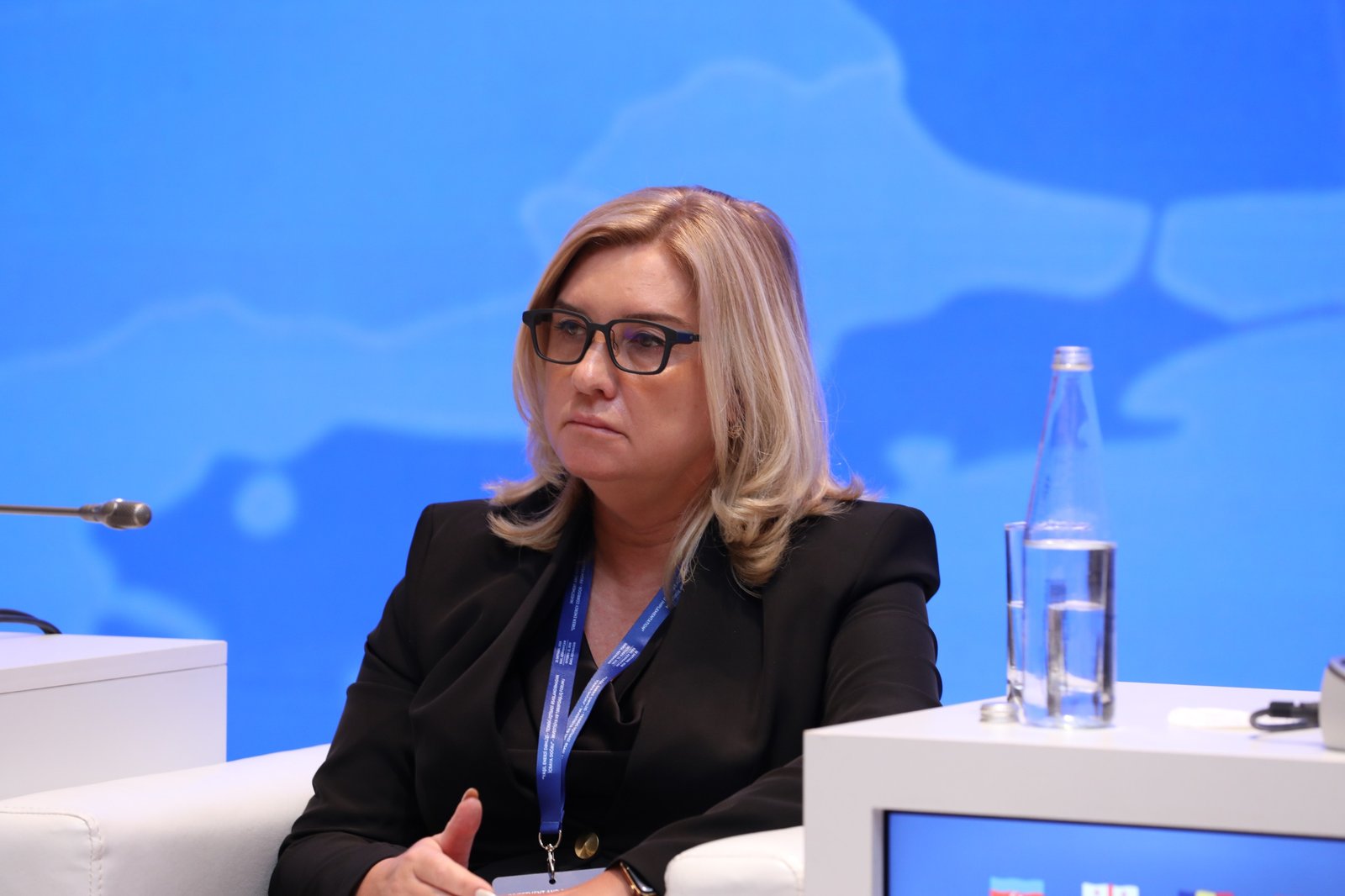
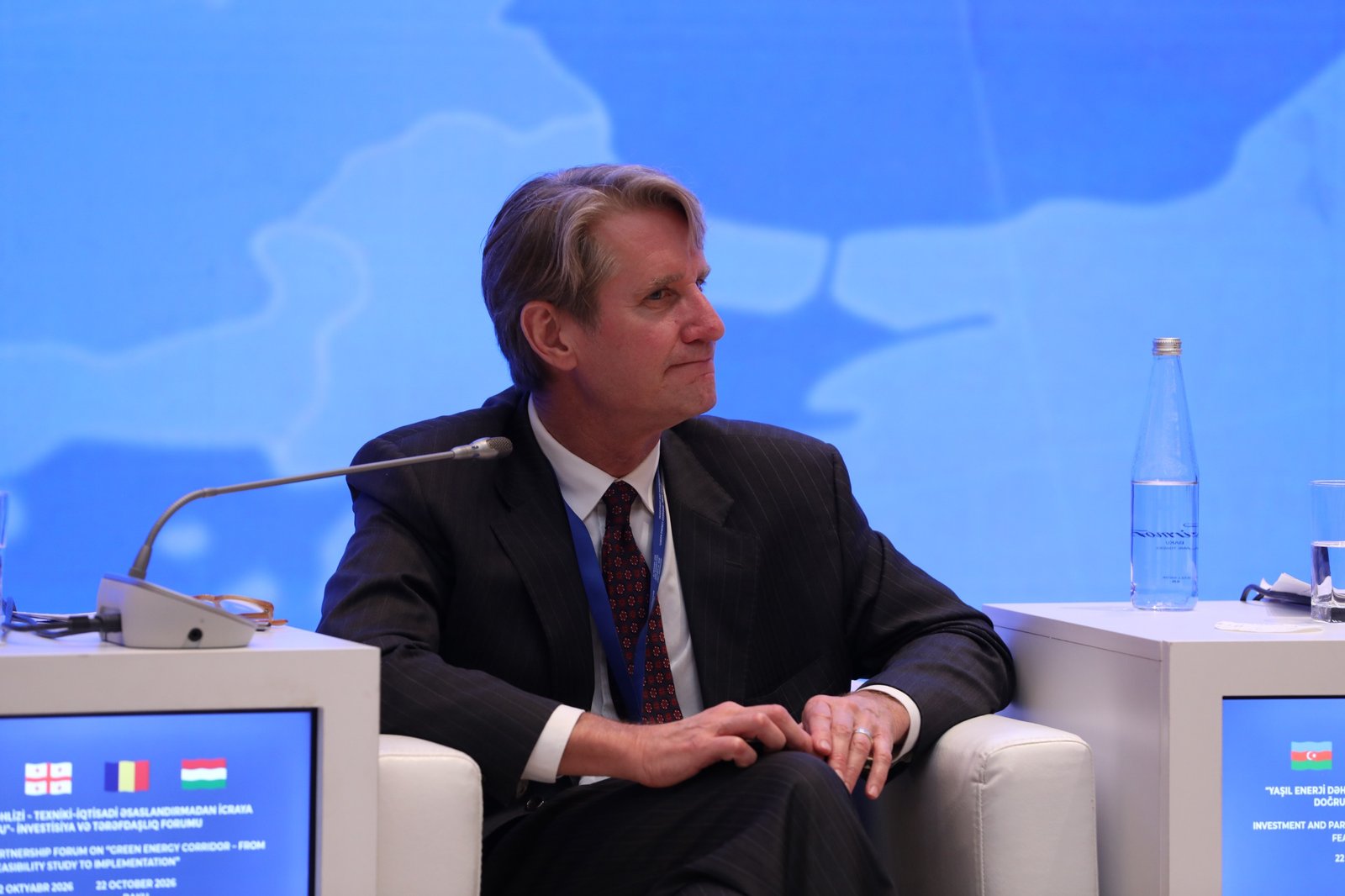
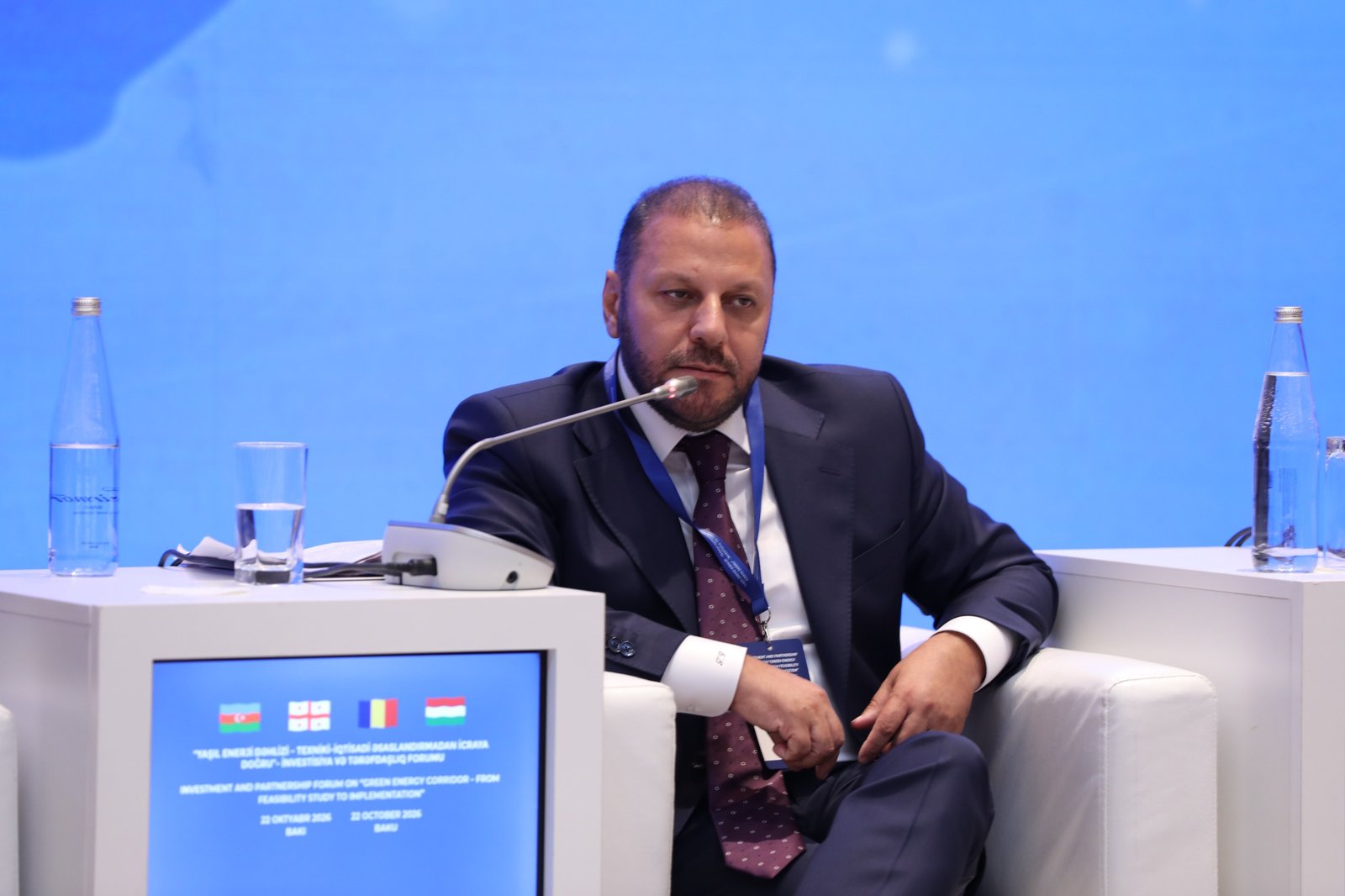
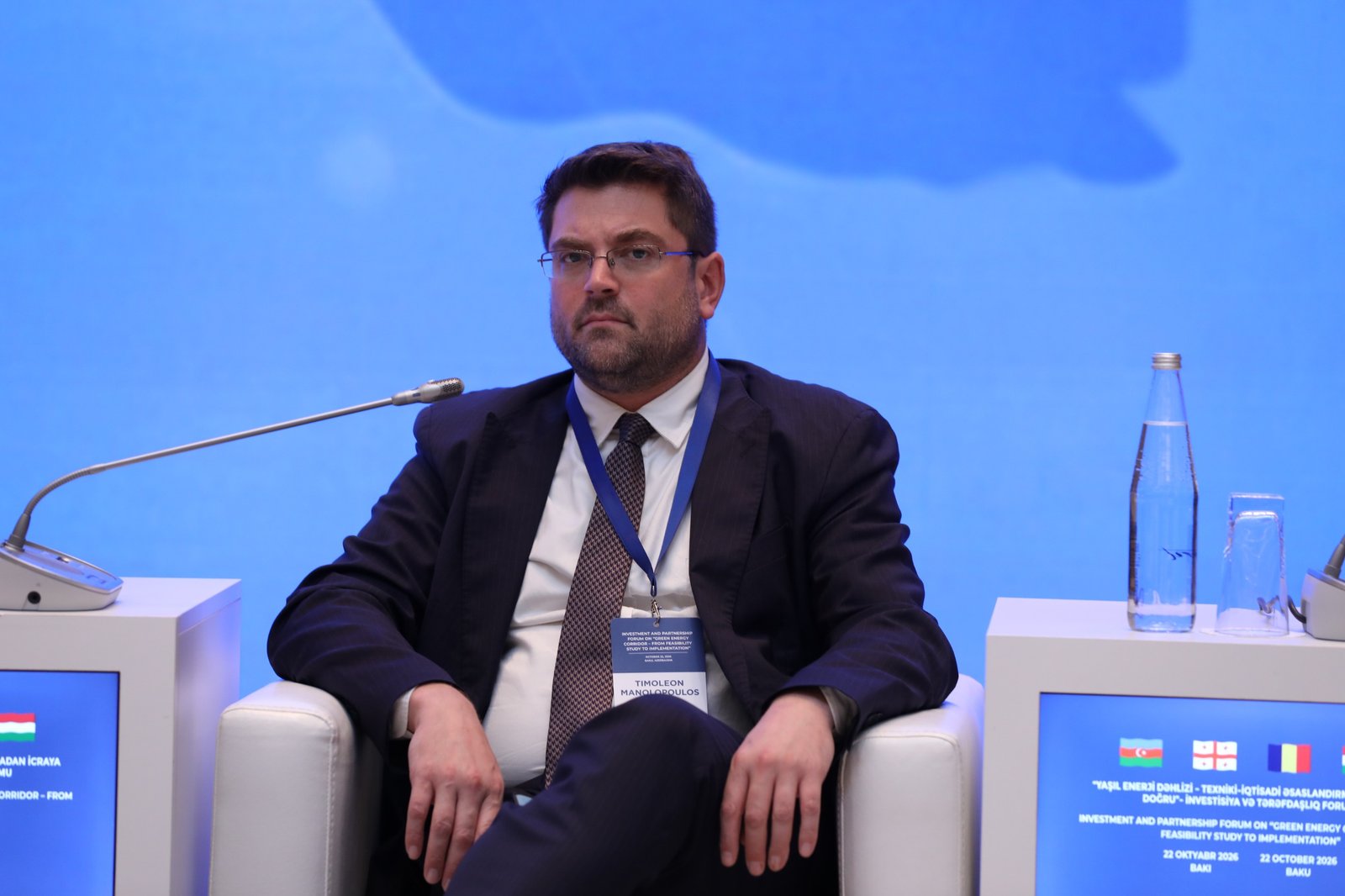
At the “Green Energy Corridor: From Feasibility Study to Implementation” forum in Baku, project promoters presented the completed feasibility study to international financial institutions, potential offtakers, cable manufacturers, developers and engineering companies.
The gathering did not produce a signed power-purchase agreement, a financing package or a construction contract. But it marked a clear change in emphasis.
Until now, the project’s public story has largely been about strategic partnership, technical feasibility and the possibility of connecting renewable generation in Azerbaijan and Georgia with European markets. In Baku, the focus shifted to the conditions that would make that connection investable: committed buyers, predictable revenues, risk-sharing and a financial structure acceptable to lenders.
For Georgia, this matters because the corridor is not simply a cable passing through the country. Its credibility will depend partly on whether Georgian renewable projects, domestic transmission infrastructure and market arrangements can support the wider commercial case.
A timetable, but not yet a financial commitment
The feasibility study was completed in July and its results were presented to international investors, financial institutions, prospective offtakers and industrial partners in Baku for the first time.
According to Azerbaijan’s Ministry of Energy, the approximately 3,000-kilometre corridor is planned to reach 4 GW of transmission capacity, with phased commissioning from 2032. By 2040, it could transmit around 20 TWh of electricity annually to Europe and support at least 8 GW of renewable-energy development in the region.
The next formal target is a final investment decision in 2029.
These figures explain why the project attracts attention. But a feasibility study and a timetable are not the same as an investment decision. No binding power-purchase agreements, equity commitments, lending agreements or supply contracts were announced at the forum.
The purpose of the gathering was to begin closing that gap.

A cable needs customers before it needs contractors
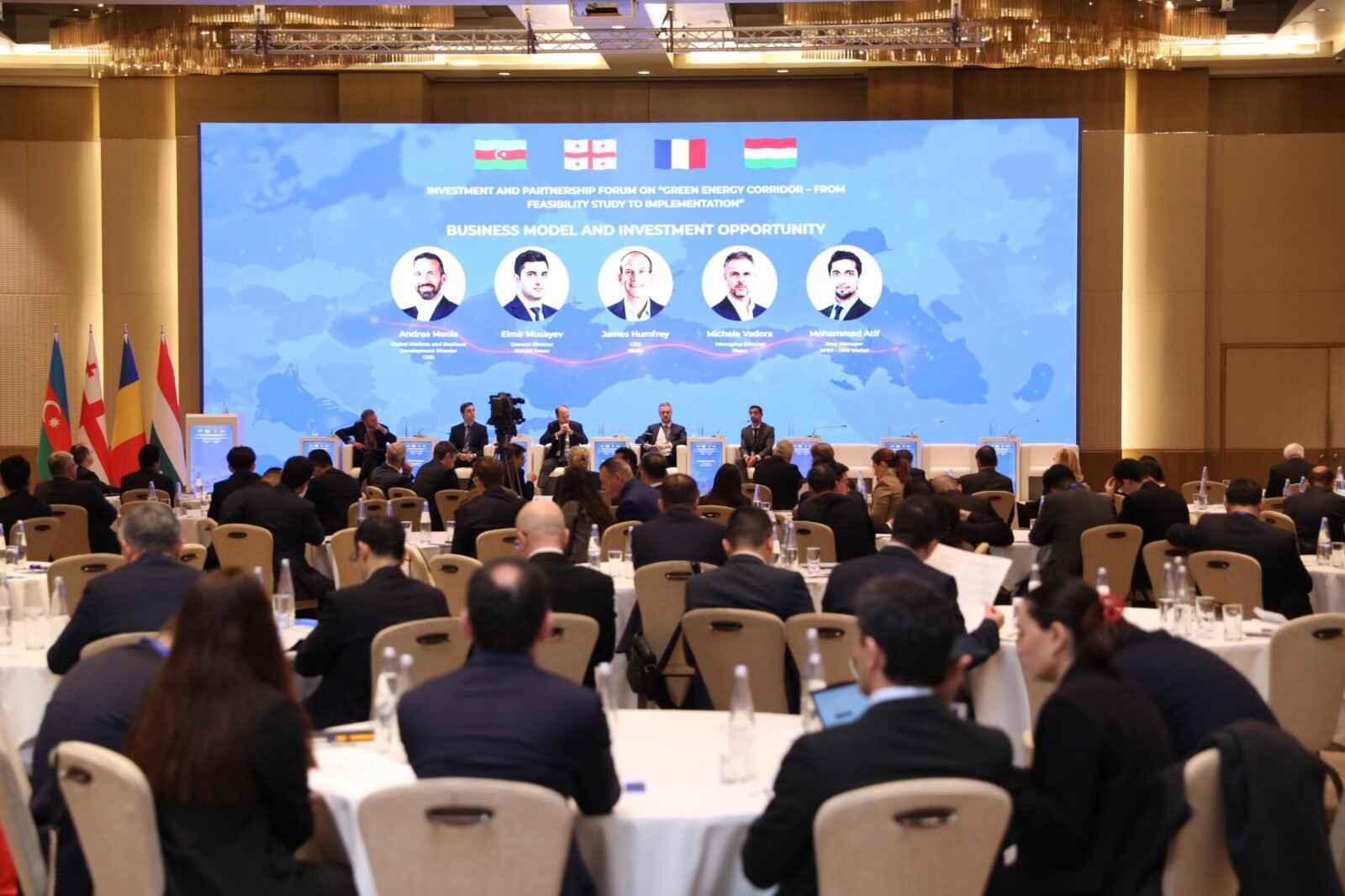
The most important discussion in Baku was not about the depth of the Black Sea cable. It was about the revenue model behind it.
Project promoters are considering a hybrid structure combining regulated and commercial elements. In practice, that means a mix of long-term PPAs, private capital and cross-border electricity trading.
This matters because the corridor cannot depend solely on selling power into whichever market has the highest price on a given day. A project of this scale needs long-term buyers willing to commit to a meaningful share of its future capacity. Those agreements would help underpin revenues, attract lenders and reduce the risk that the cable is underused.
The forum’s offtake discussions included developers, traders and potential buyers. In a separate meeting alongside the event, Zhero discussed the formation of a long-term buyer portfolio, access to Central European markets and potential delivery to neighbouring markets, including southern Germany.
SOCAR Green, reporting on General Director Elmir Musayev’s contribution to the forum, made a similar point: a bankable commercial model requires long-term offtake, reliable transmission access and a clear regulatory framework.
That is a useful correction to the way major interconnectors are sometimes discussed. Infrastructure can open a route, but it does not create a market by itself.
The four questions behind “bankability”
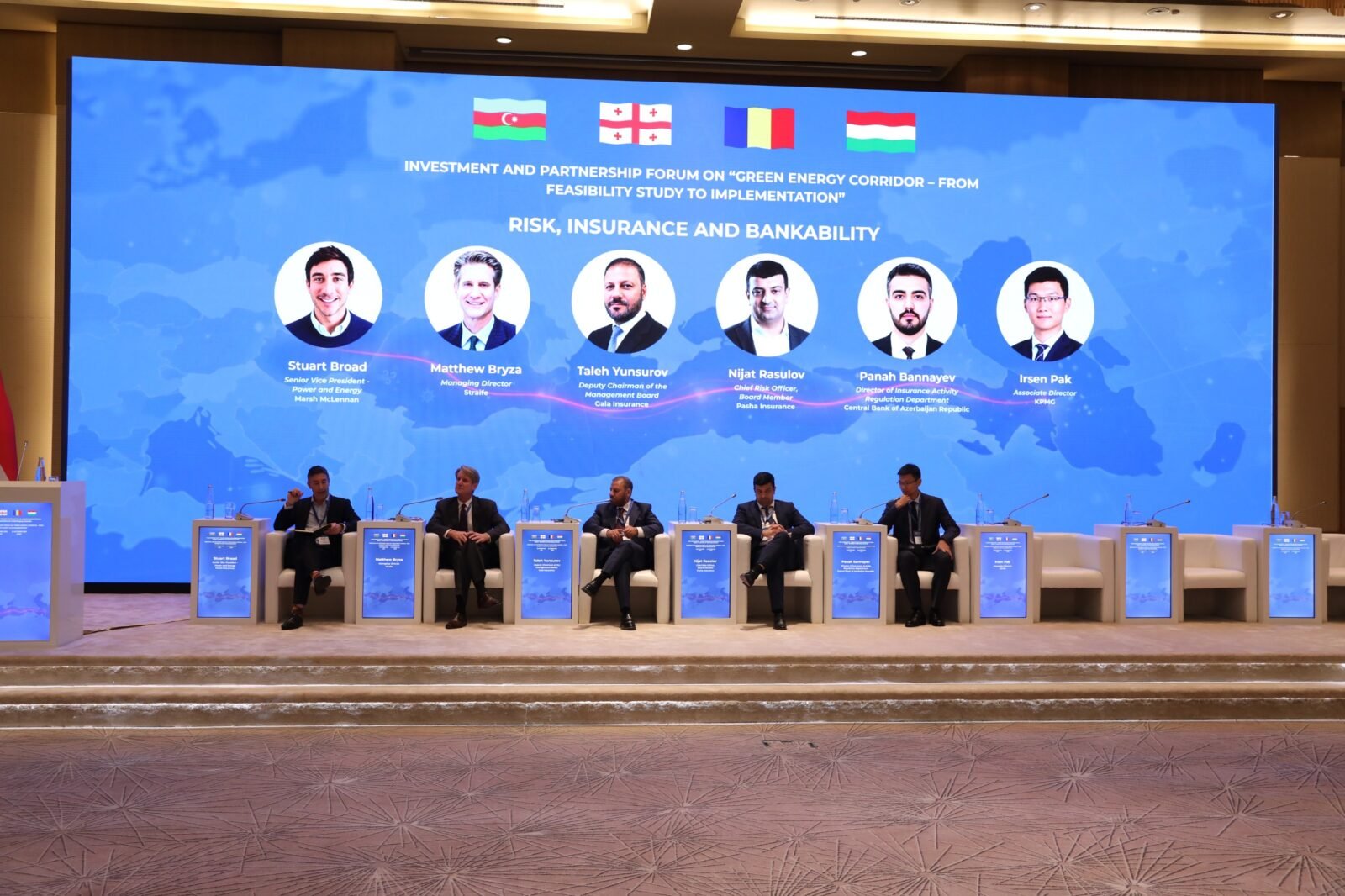
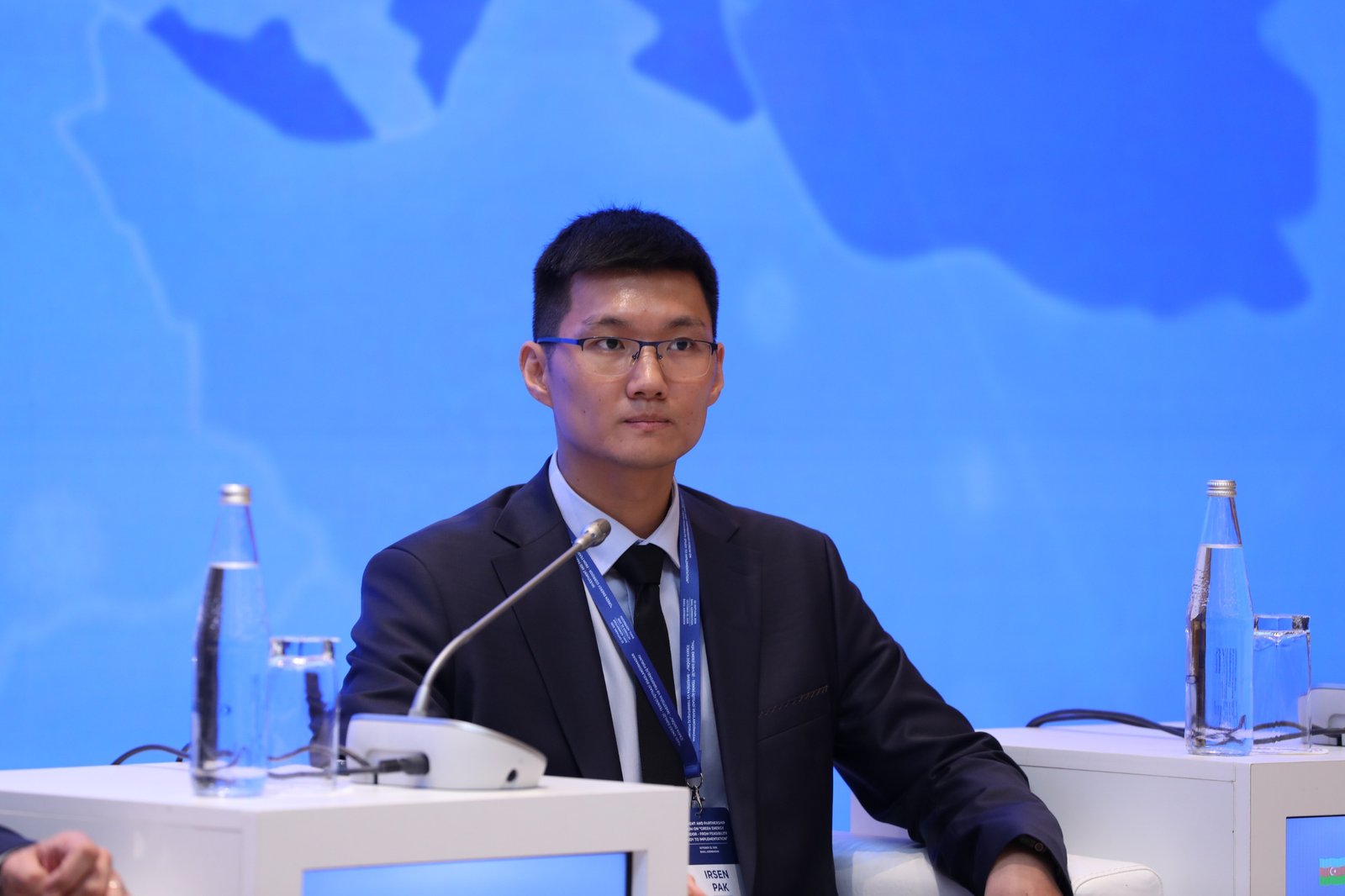
KPMG Azerbaijan reported that Irsen Pak, Deal Advisory Associate Director at KPMG Caucasus and Central Asia, used the forum to highlight four requirements for moving the corridor from feasibility towards investment:
- A credible commercial model
- A clear cross-border regulatory framework
- Effective risk allocation
- A capital structure capable of attracting long-term finance
The language may sound technical, but the questions are straightforward.
A commercial model determines how the project earns money. Regulation determines whether electricity can move across several national systems under predictable rules. Risk allocation determines who carries the cost if construction becomes more expensive, expected generation is delayed, buyers do not materialise or the cable is unavailable. Capital structure determines how governments, development-finance institutions, commercial lenders and private investors share the financial burden.
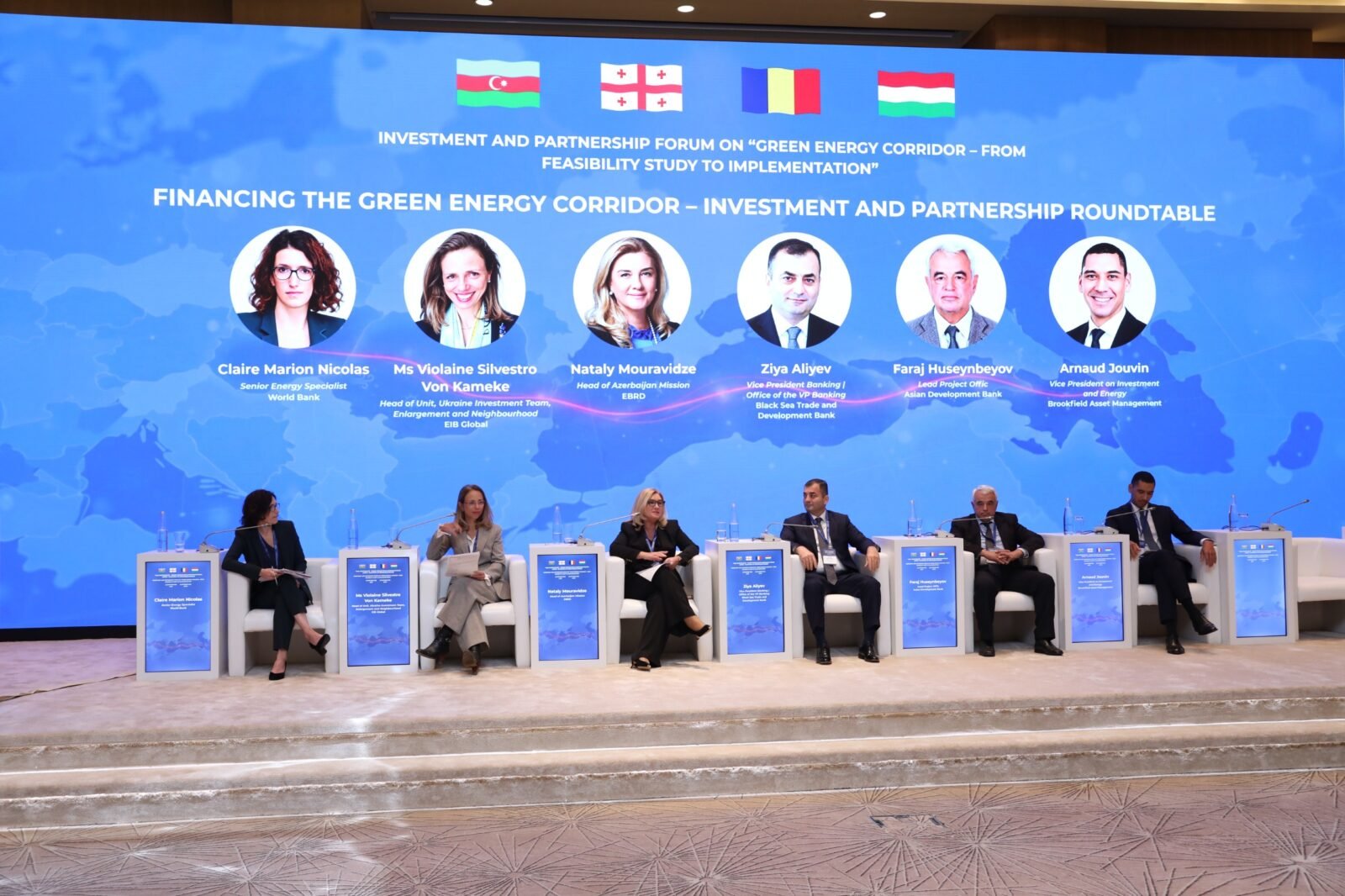
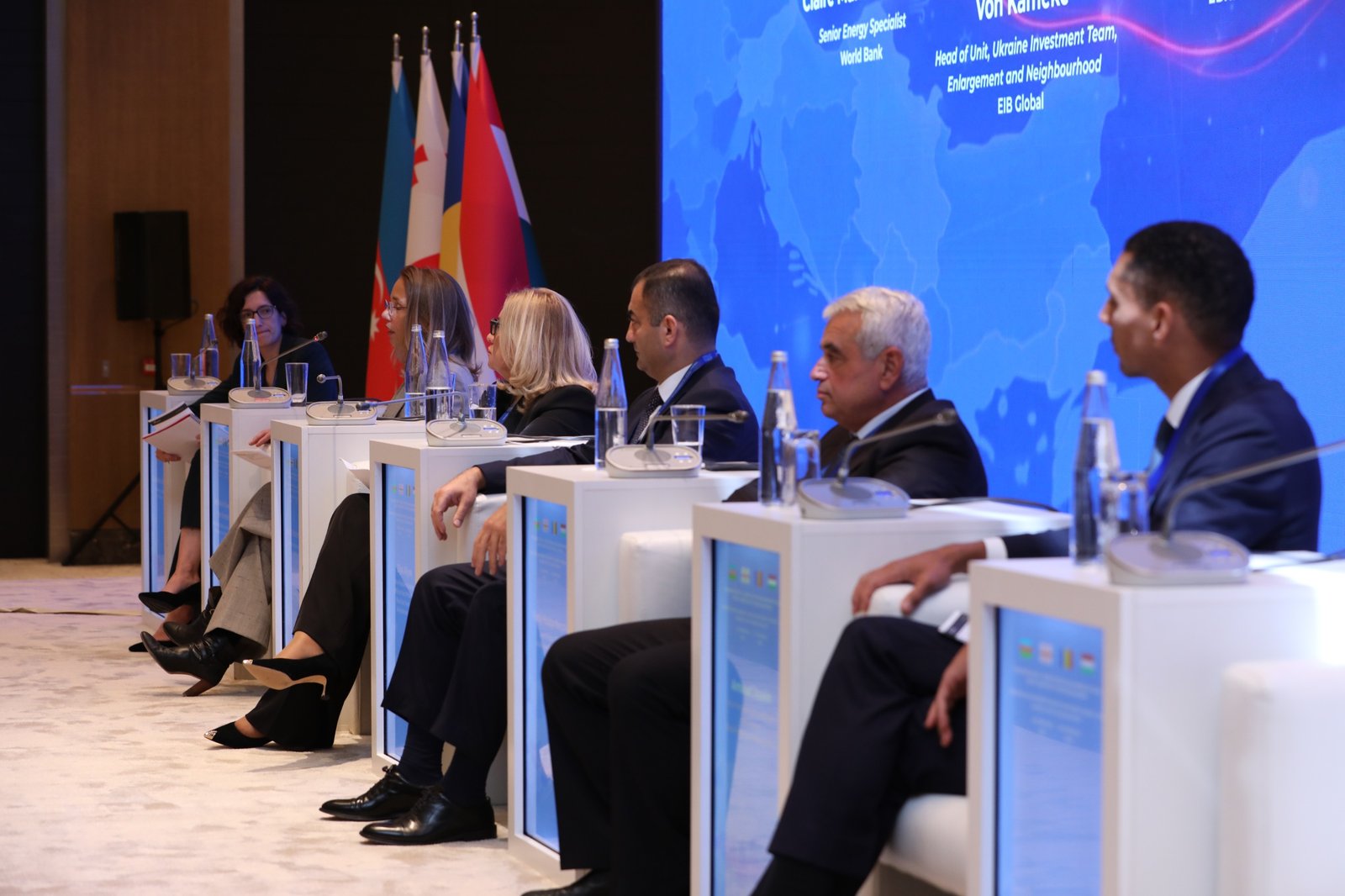
The forum brought those questions to the same table as the World Bank, EIB, EBRD, ADB, Black Sea Trade and Development Bank, Islamic Development Bank and Brookfield Asset Management.
Their attendance is not a financing commitment. But it shows that the project is now seeking to become investable, rather than merely technically possible.

Technology still has to be delivered
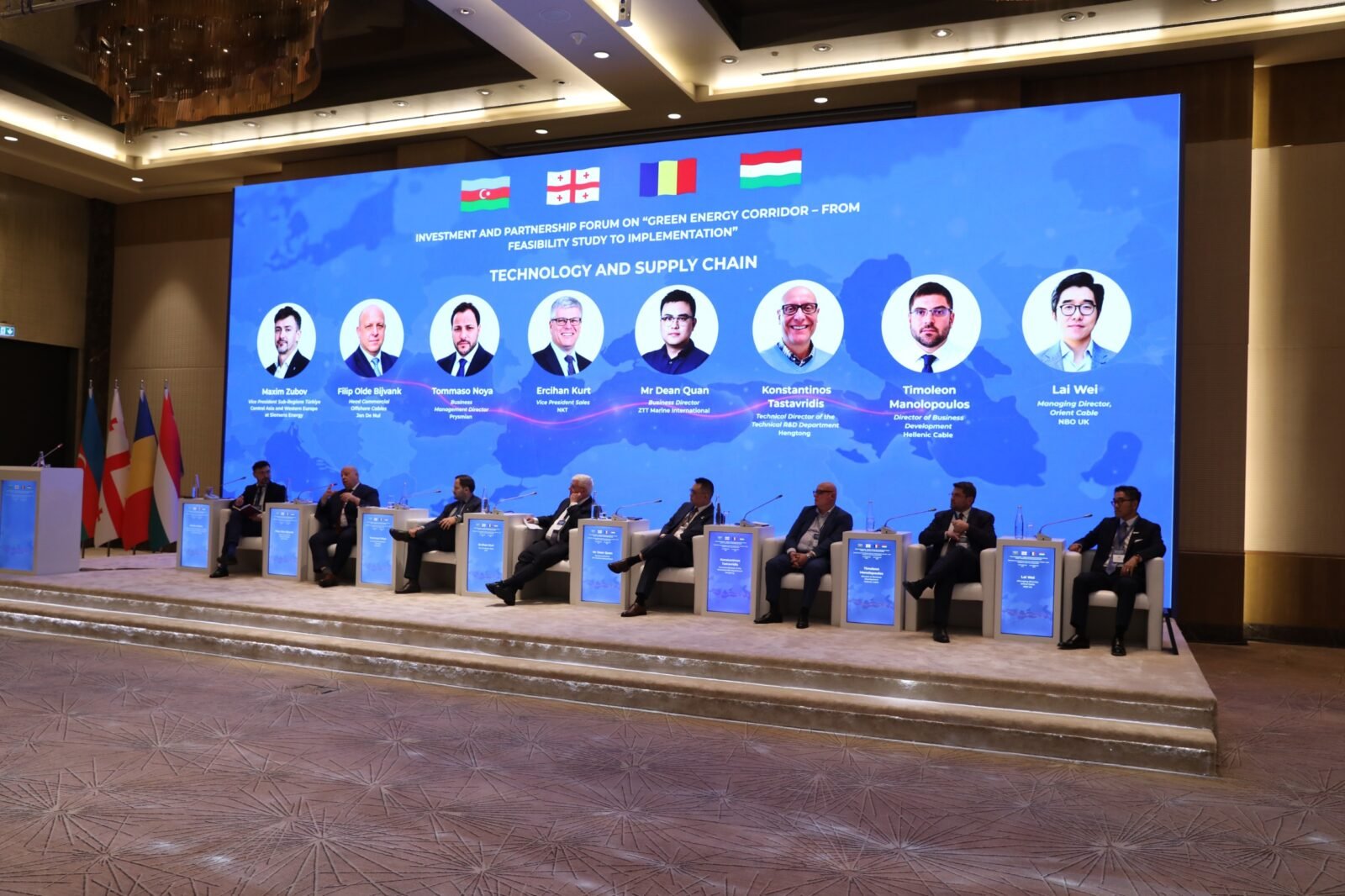
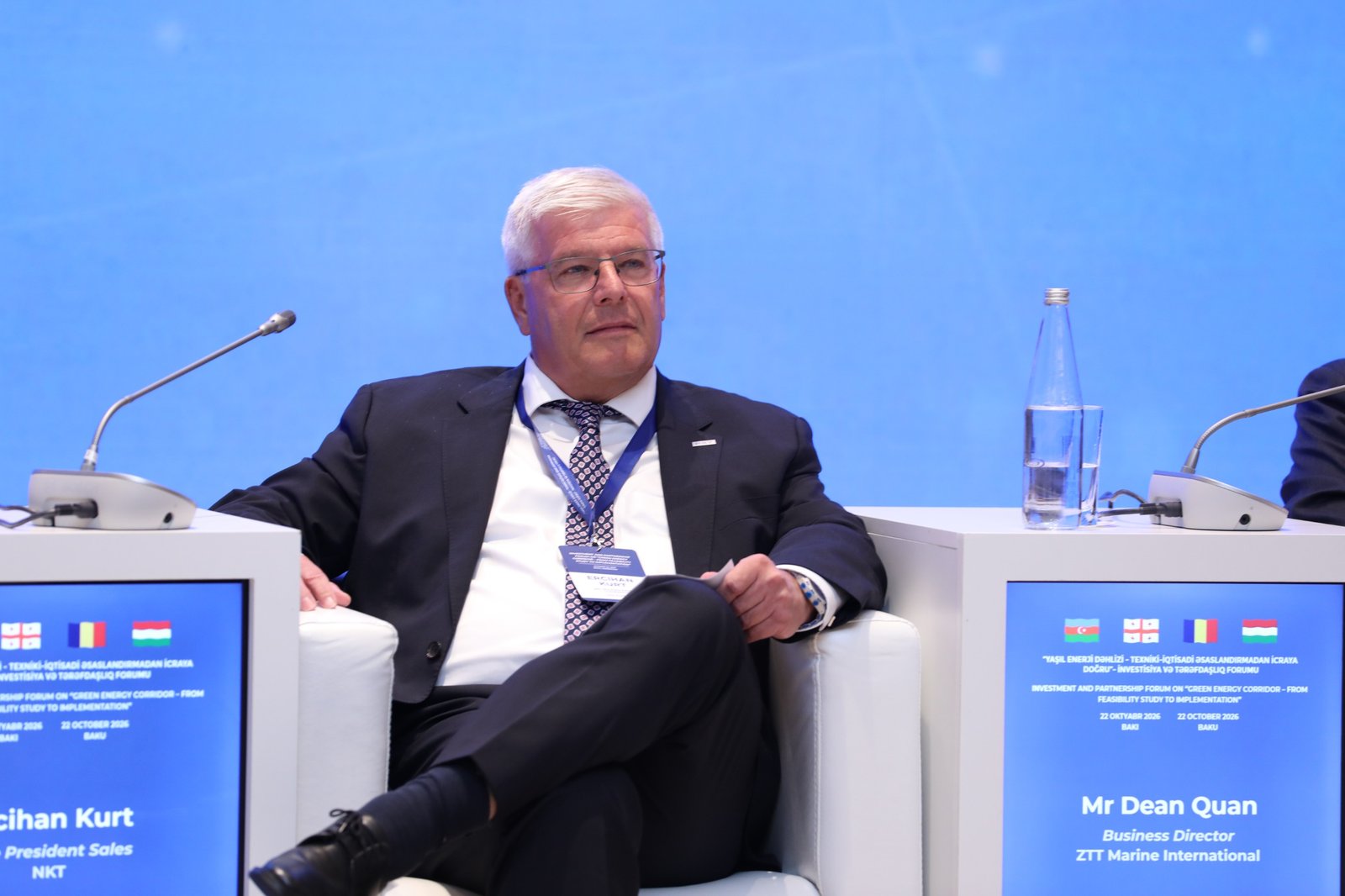
The technology session brought together a wide group of cable manufacturers, installers and engineering companies, including Prysmian, NKT, Jan De Nul, ZTT, Hengtong, Hellenic Cables and Orient Cable.
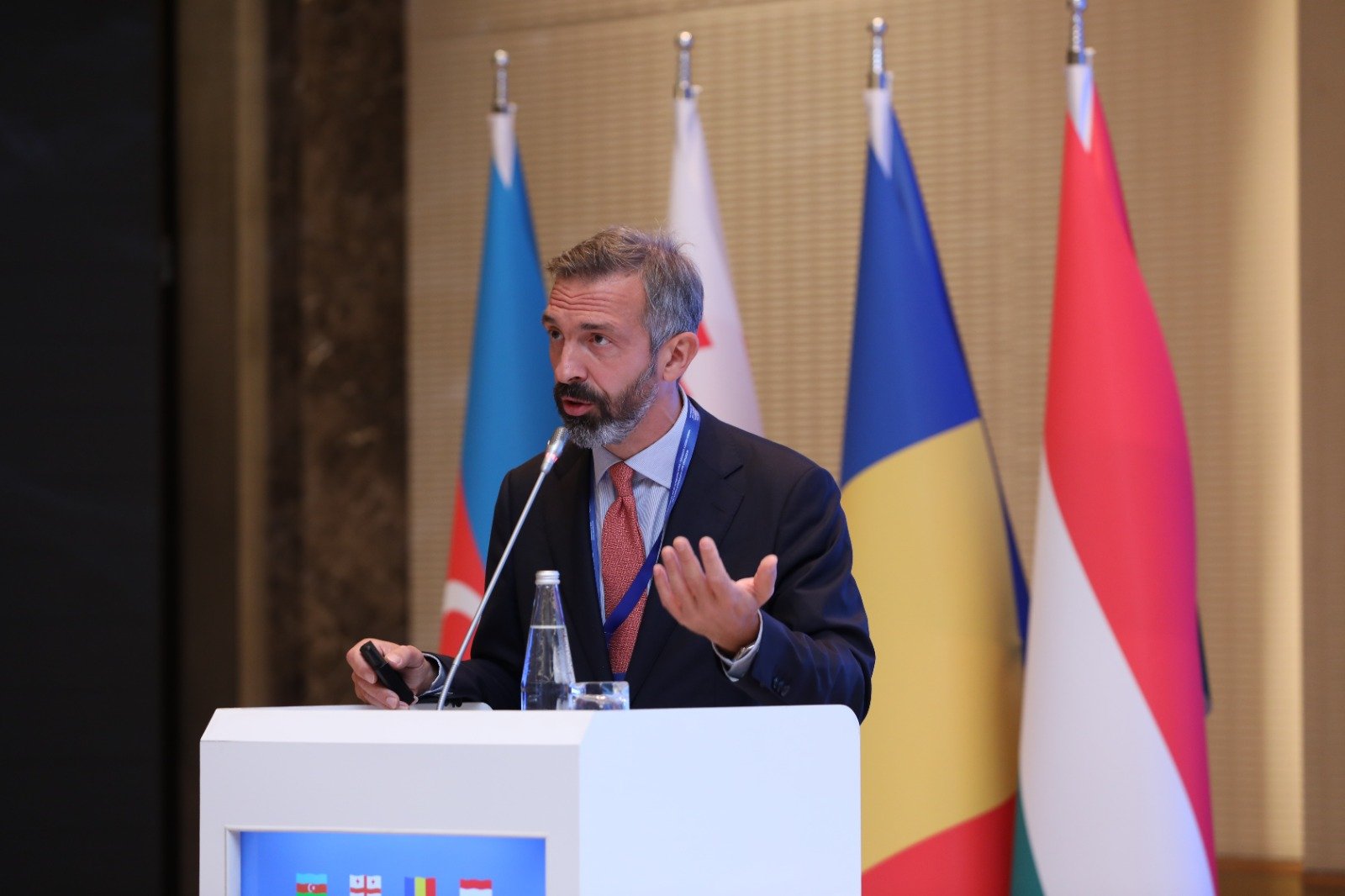
Tommaso Noya, Prysmian’s Business Management Director, was among the participants. In a public reflection after the forum, he stressed that the challenge in deep-water interconnection is not simply selecting the right technology. It is the accumulated experience needed to execute complex projects, manage risk and keep an asset operating reliably for decades.
That is a valuable distinction.
The Black Sea section is expected to require cable installation at depths of up to 2,200 metres. Suppliers presented HVDC technologies, cable-production capacity, installation methods and EPC experience. Jan De Nul also described a cable-installation technology tested at depths greater than 4,000 metres.
The market appears technically capable of addressing the challenge. What remains open is how that capability will eventually be procured, financed and allocated across the project’s risk structure.
What this means for Georgia
For Georgia, the corridor is more than an export opportunity.
The country’s role in the project will depend on whether new renewable generation can be developed credibly, connected to the domestic network and integrated with local demand, seasonal hydropower output and regional trade. It will also depend on how Georgian market rules and transmission infrastructure evolve alongside the international cable.
That makes the domestic work inseparable from the regional ambition.
The forum also put that institutional dimension into view. Georgia was represented by Inga Pkhaladze, Deputy Minister of Economy and Sustainable Development, and Margalita Arabidze, Head of the Ministry’s Energy Efficiency and Renewable Energy Policy and Sustainable Development Department, alongside Zviad Gachechiladze, a member of the Board of Directors of Georgian State Electrosystem, and Giorgi Pruidze, a member of GNERC. GNERC said that regulators from the participating countries held a separate meeting to begin dialogue and cooperation around the project.
No specific regulatory decisions were announced. But a functioning corridor will ultimately require more than a cable and commercial contracts: it will need compatible rules for cross-border trade, system operation and market access.
A strong external route to Europe could improve the investment case for renewable projects in Georgia. But investors will still look at grid access, generation profiles, permitting, market rules and the credibility of local project pipelines before treating future export potential as bankable revenue.
The Baku forum did not make the Green Energy Corridor bankable. It did something more useful: it put the conditions for bankability in public view.
The project’s next milestone will not be another declaration that the cable is technically feasible. It will be evidence that buyers, lenders, governments and project partners can agree on who pays, who takes which risks and how the electricity will be sold over the decades ahead.
Source note: This article is based on official updates from Azerbaijan’s Ministry of Energy and the Green Energy Corridor Power Company, as well as public forum reflections by Tommaso Noya, KPMG Azerbaijan and SOCAR Green. The feasibility-study results themselves have not been published in full.