


The proposed Black Sea Interconnector is often discussed in terms of its strategic role: linking electricity markets across the Black Sea, supporting renewable-energy development and strengthening connectivity between Georgia and Europe.
Behind that concept, however, lies an unusually complex engineering challenge.
A project of this scale requires far more than manufacturing and laying a submarine cable. Route surveys, seabed conditions, deep-water installation, converter stations, manufacturing capacity, specialised vessels, system integration and long-term maintenance all have to be considered from the earliest stages.
To explore what such a project involves in practice, renewables.GE spoke with Tommaso Noya, Business Management Director for the Middle East, Black & Caspian Seas, India and Africa in Prysmian’s Transmission Division.
Prysmian is one of the world’s leading submarine power-cable specialists, with experience in major deep-water transmission projects and its own cable-laying fleet.
The interview focuses on the technical and market requirements of large-scale submarine transmission projects, including the proposed Black Sea Interconnector, and does not imply a confirmed project role for Prysmian.
renewables.GE would also like to thank the Embassy of Italy in Tbilisi for facilitating the introduction to Prysmian.
Why the Black Sea Link Is Technically Different
renewables.GE: What makes a project of this scale technically different from a conventional cross-border transmission link?
Tommaso Noya: The proposed Black Sea Interconnector is a very different proposition from a conventional cross-border connection. You are dealing with a very long transmission distance, significant water depths and the need to connect different electricity systems. All of that adds layers of complexity.
So you have to look at the whole system, not just the cable. That means the cable itself, converter stations, marine installation, grid integration and, from the beginning, how the asset is going to perform over several decades.
We have been dealing with these challenges for decades. You can see that progression in our projects: SA.CO.I., commissioned in 1967, with installation depths of around 450 metres; SA.PE.I., which took us to around 1,600 metres; and more recently the Tyrrhenian Link, where installation at around 2,150 metres has been successfully demonstrated.
That is really the result of decades of experience, both in cable technology and in the practical side of installing and managing cables in deep water.
Surveying the Seabed Before Engineering the Route
renewables.GE: What are engineers primarily trying to understand during the seabed survey and route study phase?
Tommaso Noya: At the end of the day, the objective is quite simple: understand the seabed well enough to define the safest and most efficient route for the cable.
That means looking at the morphology and geology of the seabed, the sediments, slopes and stability, seismic conditions, existing infrastructure and environmental constraints. These things directly influence the cable design, the installation method and burial requirements, and ultimately the cost and risk.
So the survey phase is much more than simply collecting data. If the survey and route study are done properly, you can make much better decisions later in the project and avoid a lot of unnecessary risk.
The recent acquisition of ACSM is particularly relevant here. ACSM brings more than 20 years of experience in subsea surveying, route planning and seabed preparation, with operations in more than 60 countries and more than 350 specialists.
For customers, the real benefit is that we can get involved much earlier. We can support the route study, FEED and the early engineering and development work, and then stay involved through cable design, manufacturing and installation.
This is also an important step in the vertical integration of our submarine business. We can cover more of the value chain ourselves instead of bringing in a different company for every stage. That gives us a stronger basis for offering a genuine turnkey solution, from the early definition of the project through installation and into the operational life of the asset.
renewables.GE: How does increasing water depth affect cable design and installation?
Tommaso Noya: Water depth changes the installation challenge quite significantly.
As you go deeper, the mechanical loads on the cable increase, particularly during laying. That puts more demanding requirements on the cable, the installation equipment and, of course, the vessel.
And you also have to think differently about inspection, maintenance and possible repair once the cable is in operation.
We have been working in deep water for decades, and over that time we have developed both the cable technology and the installation capabilities needed for these conditions.
But depth on its own does not tell you the whole story. You have to consider it together with the seabed conditions, the route geometry, the cable characteristics and the installation methodology.

HVDC, Manufacturing Capacity and Installation Vessels
renewables.GE: What determines the choice of HVDC technology and cable configuration?
Tommaso Noya: For a connection of this length, HVDC would generally be the preferred technology. It is well suited to moving large amounts of power over long distances while keeping transmission losses relatively low.
The final configuration depends on a number of factors, including the required transmission capacity, the characteristics of the connected grids, reliability requirements, system stability, future expansion and overall lifecycle cost.
There is no one-size-fits-all solution. The right configuration depends on the project, and the engineering work is really about finding the right balance between performance, reliability and cost.
renewables.GE: How important are manufacturing capacity, installation vessels and supply-chain availability?
Tommaso Noya: They are fundamental to a project of this scale.
The submarine cable market has grown significantly in recent years, and as a result manufacturing capacity, installation vessels and other key resources are becoming more constrained.
For a project of this scale, you cannot wait until the contract is signed before thinking about these issues. You need to look at industrial capacity and vessel availability well in advance.
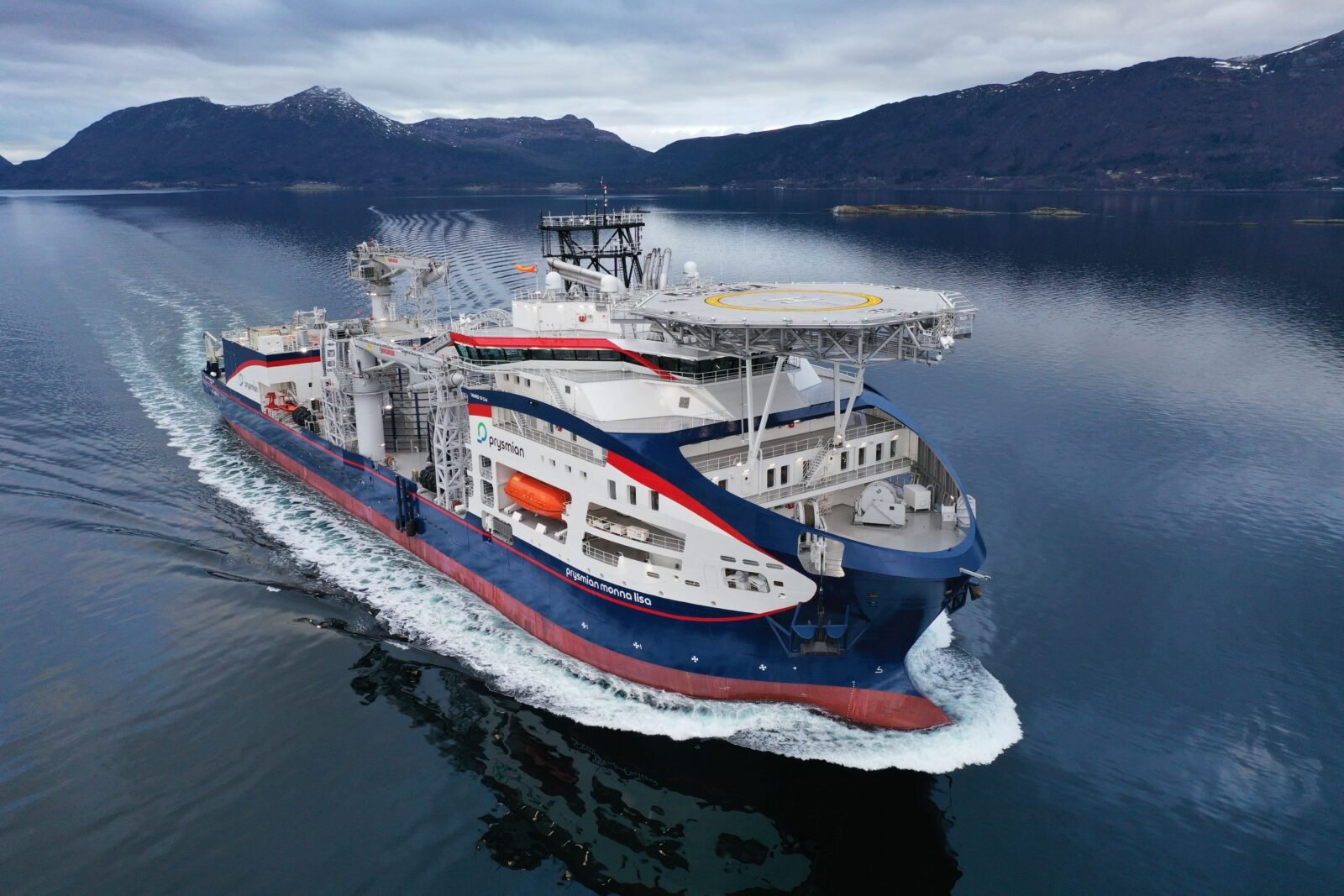
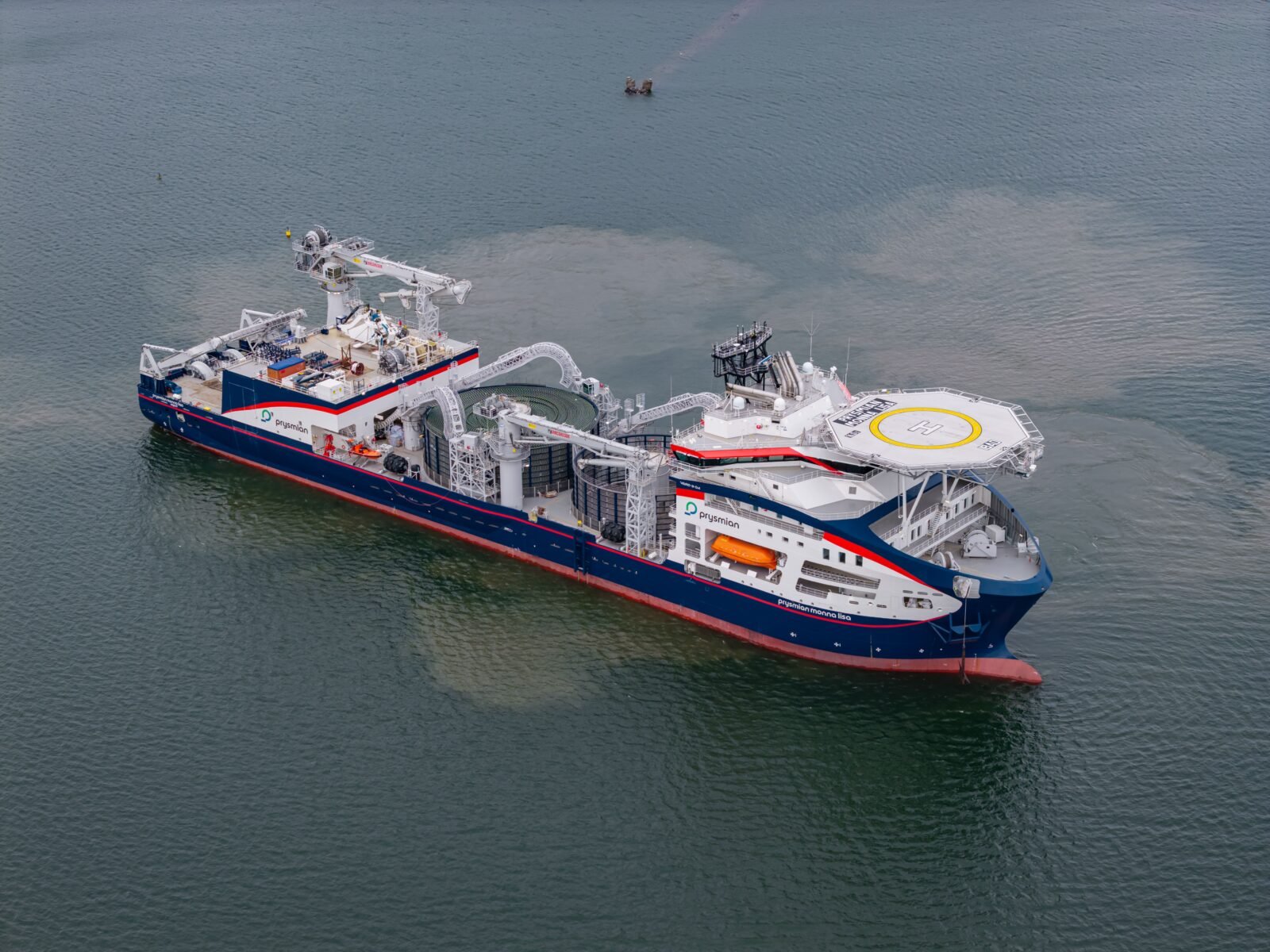
This is one of Prysmian’s strengths. We have a dedicated fleet of cable-laying vessels covering different installation requirements, including demanding deep-water applications.
Our experience in this area goes back many years. The Giulio Verne was for a long period the reference vessel for deep-water submarine power cable installation and was, for many years, the only vessel in the market with this type of deep-water capability for power cables.
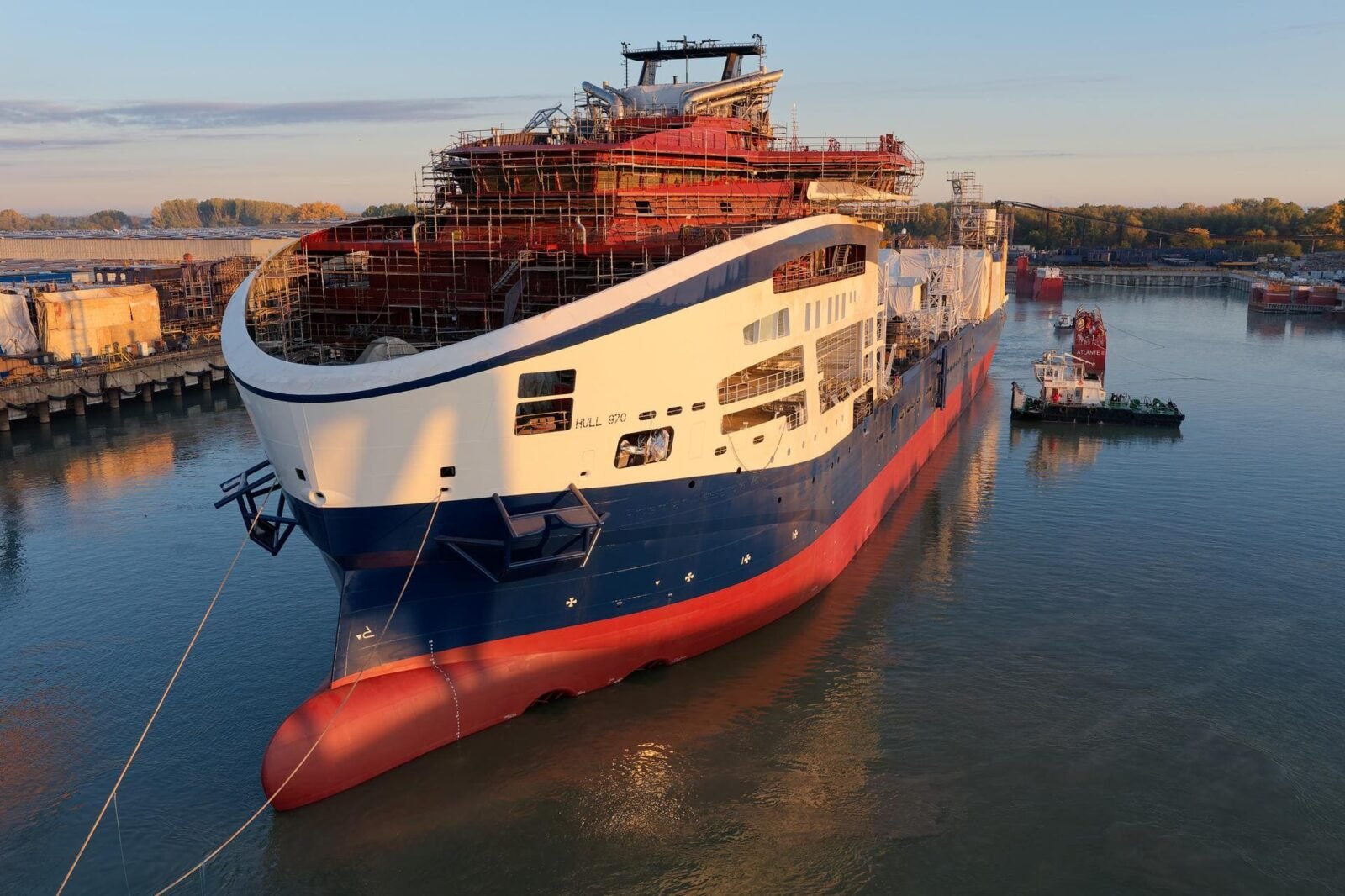
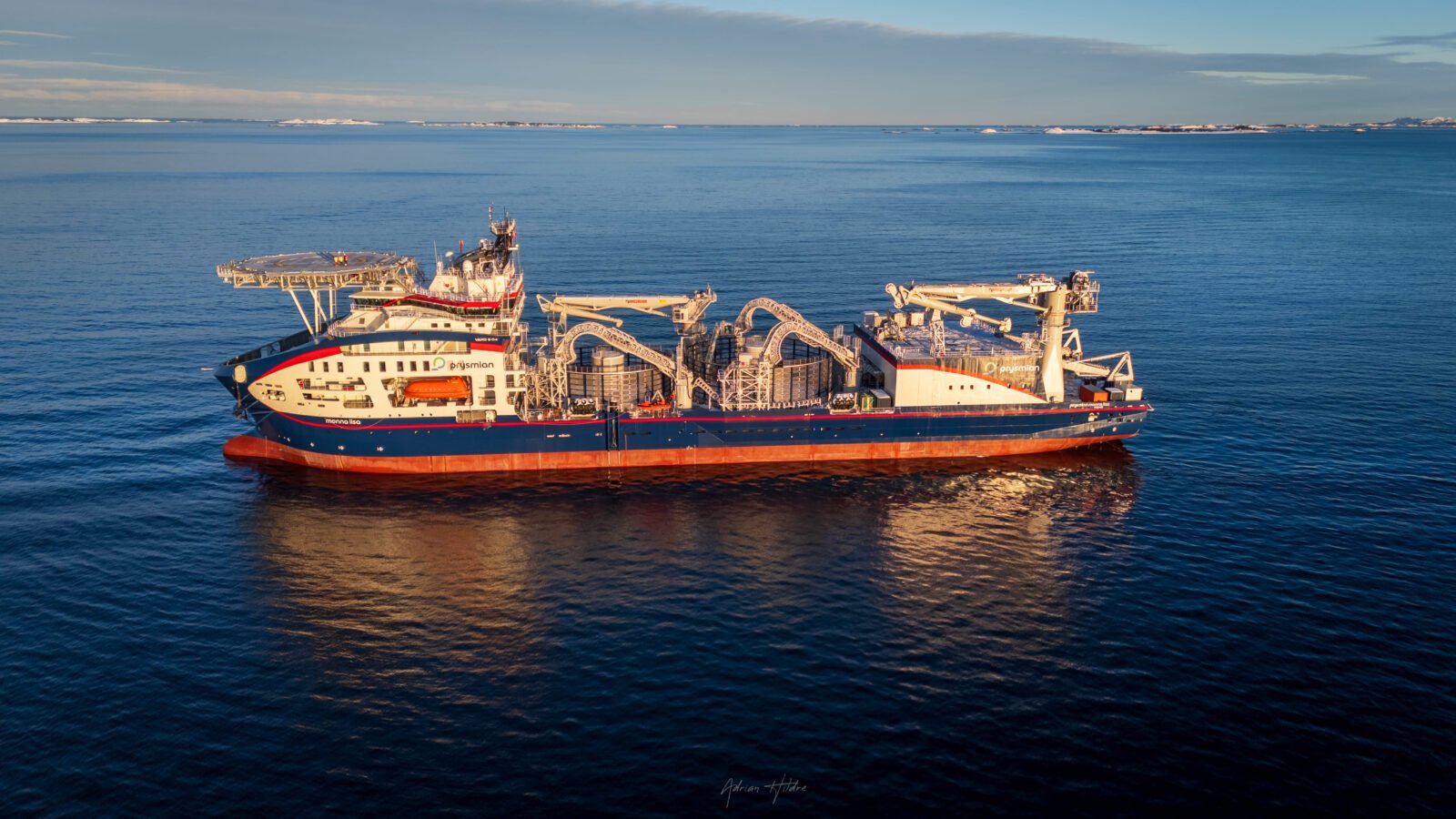
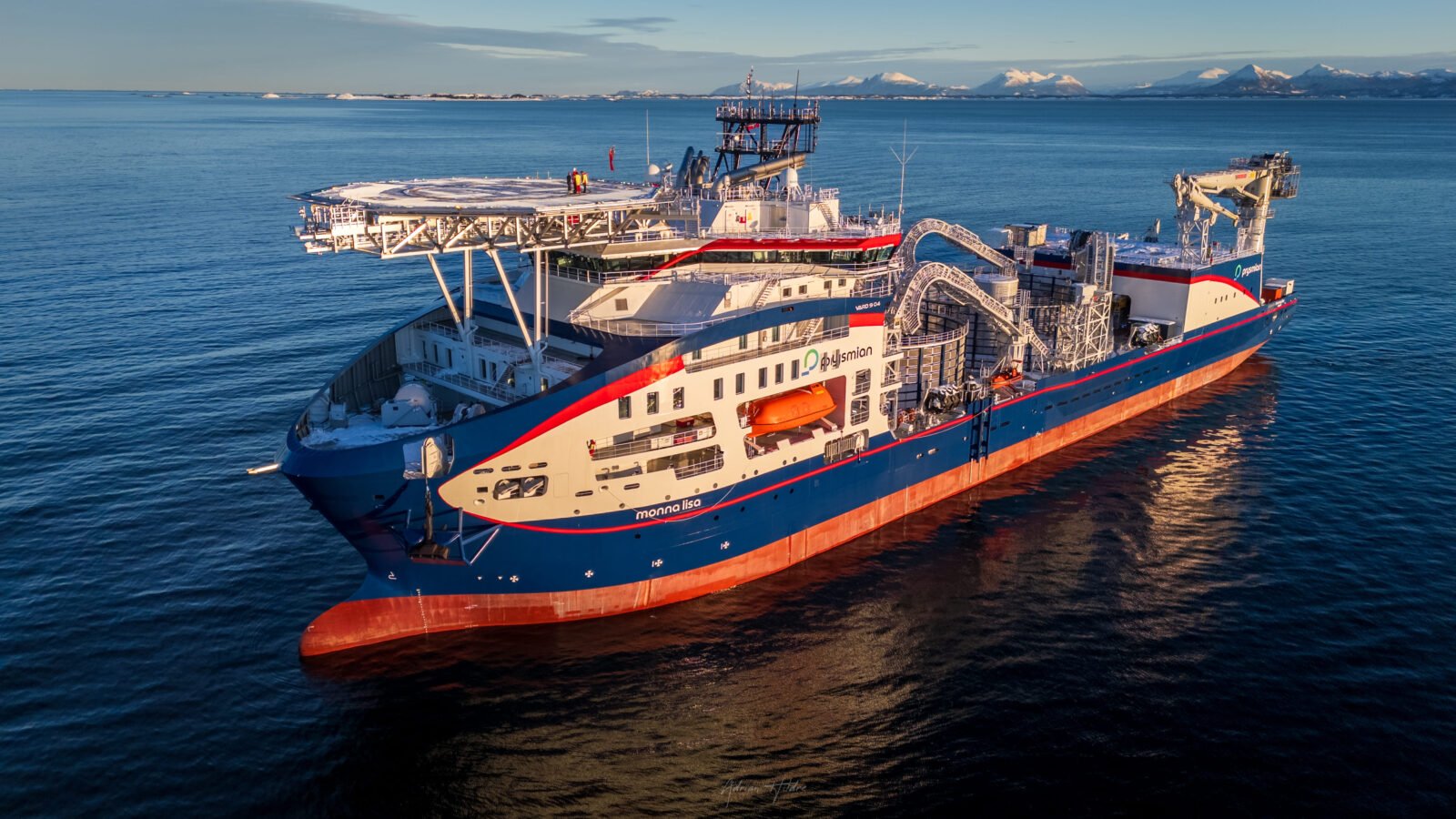
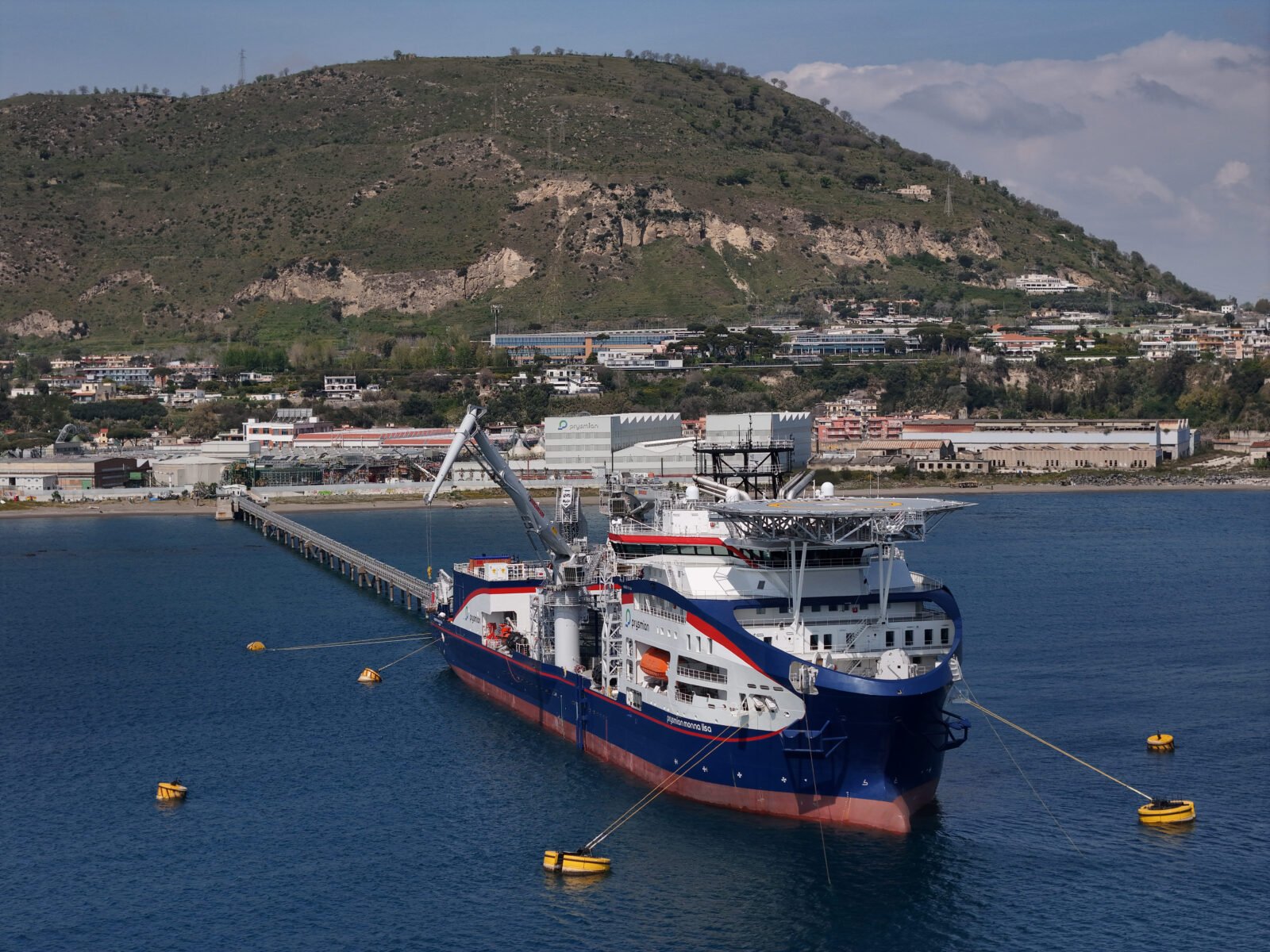
Today the fleet is much broader. The Leonardo da Vinci and Monna Lisa can operate in deep water down to approximately 3,000 metres, while the Alessandro Volta can operate at around 1,500 metres.
The Leonardo da Vinci has already demonstrated this capability in practice, including the installation of submarine power cable at around 2,150 metres water depth.
Having our own fleet gives us much more control over execution. We are less dependent on third-party vessel availability and have greater control over the schedule, the installation approach and the associated execution risk.
Together with the capabilities we have added through ACSM, this is a key part of the broader vertical integration of our submarine business.

Experience Matters as Much as Equipment
renewables.GE: What lessons from previous Prysmian projects are particularly relevant?
Tommaso Noya: One of the biggest lessons from our previous projects is that the project really starts well before the first metre of cable goes into the water.
Good survey work, detailed engineering and a clear understanding of the risks are essential. The decisions you make early on can have a major impact on the installation and, ultimately, on the cost.
The other lesson is that having the right equipment is only part of the equation. You also need the people and experience to use it properly.
As I often say, owning a Formula 1 car does not make you a Formula 1 driver. Experience does. In submarine cable installation, the combination of vessels, technology, engineering know-how and experienced people is what really makes the difference.
And finally, projects of this size require close cooperation between the developer, TSOs, governments, regulators and suppliers. There are a lot of interfaces, and they have to be managed carefully.

Designing Reliability for Decades
renewables.GE: How is long-term reliability designed into a 1,000 km-plus interconnector?
Tommaso Noya: Reliability has to be built into the project from the start.
It starts with cable design and qualification, continues through manufacturing and testing, and then into installation. Quality has to be controlled at every stage because the objective is a cable system that operates reliably for decades.
But reliability does not stop once the cable has been installed.
For an asset of this importance, you also have to think about what happens after installation. This is where Inspection, Maintenance and Repair, or IMR, becomes particularly important.
Prysmian has developed a broad IMR offering covering monitoring, inspection, preventive maintenance and repair. The idea is not simply to react when something goes wrong. It is to monitor the asset and identify potential issues as early as possible.
And if a failure does occur, the ability to respond quickly is critical, particularly for a strategic interconnector carrying very large amounts of power.
This is another area where our vertical integration makes a difference. We can combine cable knowledge, engineering expertise, vessels, specialised equipment and repair capabilities to support the asset throughout its lifecycle.
So for us, the project does not end when installation is complete. It starts with the survey and FEED, moves through design, manufacturing and installation, and then continues into monitoring, maintenance and repair.
Why Georgia’s Onshore Grid Matters Too
renewables.GE: What needs to happen onshore for renewable power exports to fully utilise such a link?
Tommaso Noya: A submarine interconnector is only one part of the overall system. The onshore side has to be ready as well.
To make full use of the connection, the onshore transmission network also has to develop. That includes grid reinforcement, substations, converter stations, generation connections and enough flexibility to manage variable renewable generation.
The generation and transmission infrastructure really need to develop together. Otherwise, the submarine link on its own cannot deliver its full value.

Interconnectors and Offshore Wind
renewables.GE: How can interconnector development and offshore wind reinforce one another?
Tommaso Noya: There is a clear relationship between the two.
Interconnectors can give offshore wind access to larger electricity markets and more flexibility in how the power is used. At the same time, more offshore renewable generation can improve the utilisation of the transmission infrastructure.
There are, of course, a number of conditions that need to be in place, including the right regulatory framework, investment visibility and appropriate market mechanisms.
Where those conditions are in place, transmission and renewable generation can reinforce each other and become important parts of the wider energy transition.
The Hardest Challenges Are Not Always Technical
renewables.GE: What are typically the most difficult challenges beyond engineering?
Tommaso Noya: The engineering is certainly complex, but in many cases it is also the part we can plan and manage most directly.
The bigger challenge is often getting everything else to move together: permitting, financing, regulation, procurement, government approvals and coordination across countries and stakeholders.
A project involving several jurisdictions can take many years to develop, with a large number of interfaces to manage.
That is why early engagement matters. If technical, environmental or regulatory issues are identified early, there is much more room to optimise the project before the major investment decisions are taken.
The Black Sea’s Long-Term Transmission Potential
renewables.GE: How does Prysmian view the long-term transmission potential of the Black Sea region?
Tommaso Noya: We see significant long-term potential in the Black Sea region.
There are several reasons for that: growing renewable generation, increasing electricity demand, the need for greater energy security and the region’s position between different electricity markets.
As countries continue to decarbonise their power systems, the importance of transmission infrastructure will only increase.
Without commenting on any specific project, we believe the Black Sea has the potential to become increasingly important for new transmission corridors and for connecting renewable resources with the wider European energy system.
Transmission as an Enabler of the Energy Transition
In his closing remarks, Noya emphasised that submarine transmission should be viewed as part of the broader infrastructure required for the energy transition.
Tommaso Noya: At Prysmian, we believe transmission infrastructure will be one of the key enablers of the energy transition. As renewable generation grows and electricity systems become more interconnected, the role of submarine transmission will become increasingly important.
The Black Sea is a good example of the type of infrastructure that can support energy security, renewable integration and stronger connectivity between markets.
What differentiates Prysmian is not only the cable technology. We have decades of experience in deep-water installation, a dedicated vessel fleet and, with ACSM, additional capabilities in surveying, route planning and seabed preparation.
That means we can get involved much earlier, from survey and FEED through engineering, manufacturing and installation, and then continue supporting the asset through its operational life with our IMR capabilities.
This is the direction our submarine business is taking: greater vertical integration and the ability to support customers across the full project lifecycle.
Ultimately, our objective is to combine technology, engineering, people and industrial capability to deliver submarine transmission infrastructure that is reliable, efficient and built to operate for decades.
Source note: Interview with Tommaso Noya, Business Management Director, Middle East, Black & Caspian Seas, India and Africa, Transmission Division, Prysmian. Photos courtesy of Prysmian.